Four ways to make metal tougher
Each process strengthens the surface without weakening the core. Compare them below, or ask us which one fits your part.
Which process do I need?
Pick what matters most and your material. We'll point you to a starting recommendation, and our engineers will confirm it for your part.
Choose an option from each group to see a recommendation.
Side-by-side comparison
| Plasma Nitriding | Tufftriding / QPQ | Gas Nitriding | Induction Hardening | |
|---|---|---|---|---|
| Best for | Precision parts that must not distort | Wear and corrosion together, quick turnaround | Deeper cases on alloy steels, large batches | Round parts needing a deep local case |
| Hardened depth | Up to 0.6 mm 2–10 µm white layer | Shallow, depends on time and material | Deep, uniform case | Above 0.8 mm |
| Surface hardness | Up to 1200 HV | High | High | High (steel-grade dependent) |
| Wear resistance | Excellent | Excellent | Excellent | Very good |
| Corrosion resistance | Improved | Excellent (QPQ) | Improved | Not improved |
| Distortion | Practically none | Almost none | Low | Low |
| Selective treatment | Yes, by masking | Whole part | Masking possible | Yes, inherently local |
| Materials | Alloy, tool & stainless steels, cast iron, carbon steel | Ferrous metals incl. plain carbon steel | Alloy & nitriding steels | Medium-carbon & alloy steels |
| Typical parts | Shafts, extruder screws, gears, dies | Cutting tools, rods, valve parts | Crankshafts, spindles, gears | Excavator pins, splined shafts, axles |
General guidance only. Results depend on material grade, prior heat treatment and part geometry. Our engineers will confirm the right process for your part.
Plasma / Ion Nitriding
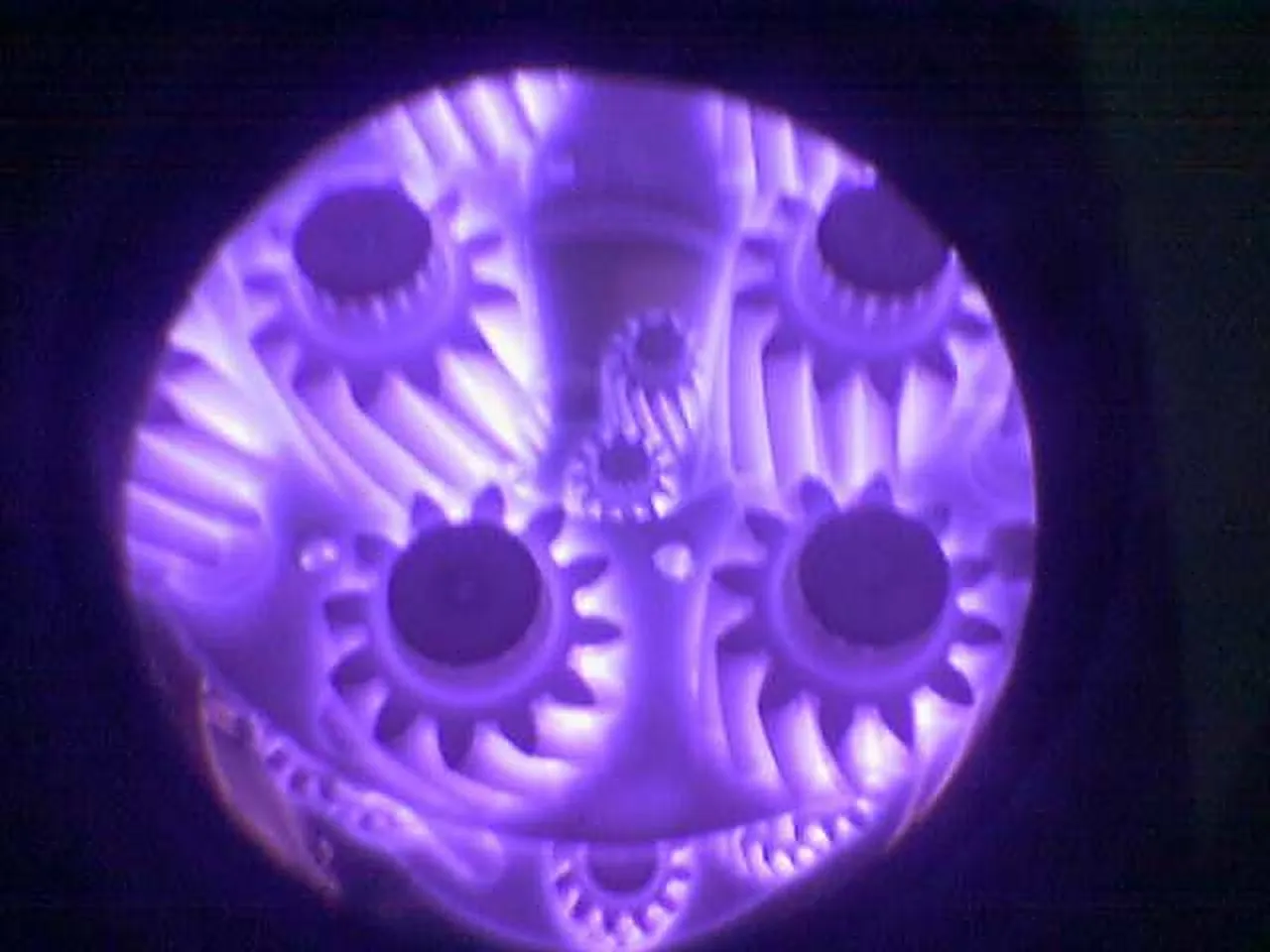
The part sits in a vacuum furnace, electrically insulated from the furnace walls. A glow discharge forms around it and bombards the whole surface evenly with nitrogen ions. Plasma nitriding runs at a lower temperature and in less time than conventional gas nitriding. Parts that are stress-relieved beforehand come out with no distortion.
The result is a thin, hard, mono-phase compound ("white") layer of 2–10 microns over a tough diffusion zone. Metal Treat installed this facility in 1999 with a major capital investment and now serves OEMs across India.
Benefits
- Improved wear, fatigue and anti-galling properties
- No grinding required after treatment
- Selective nitriding by masking
- Excellent batch-to-batch repeatability
Typical parts
Suitable materials
Tufftriding / Melonite QPQ
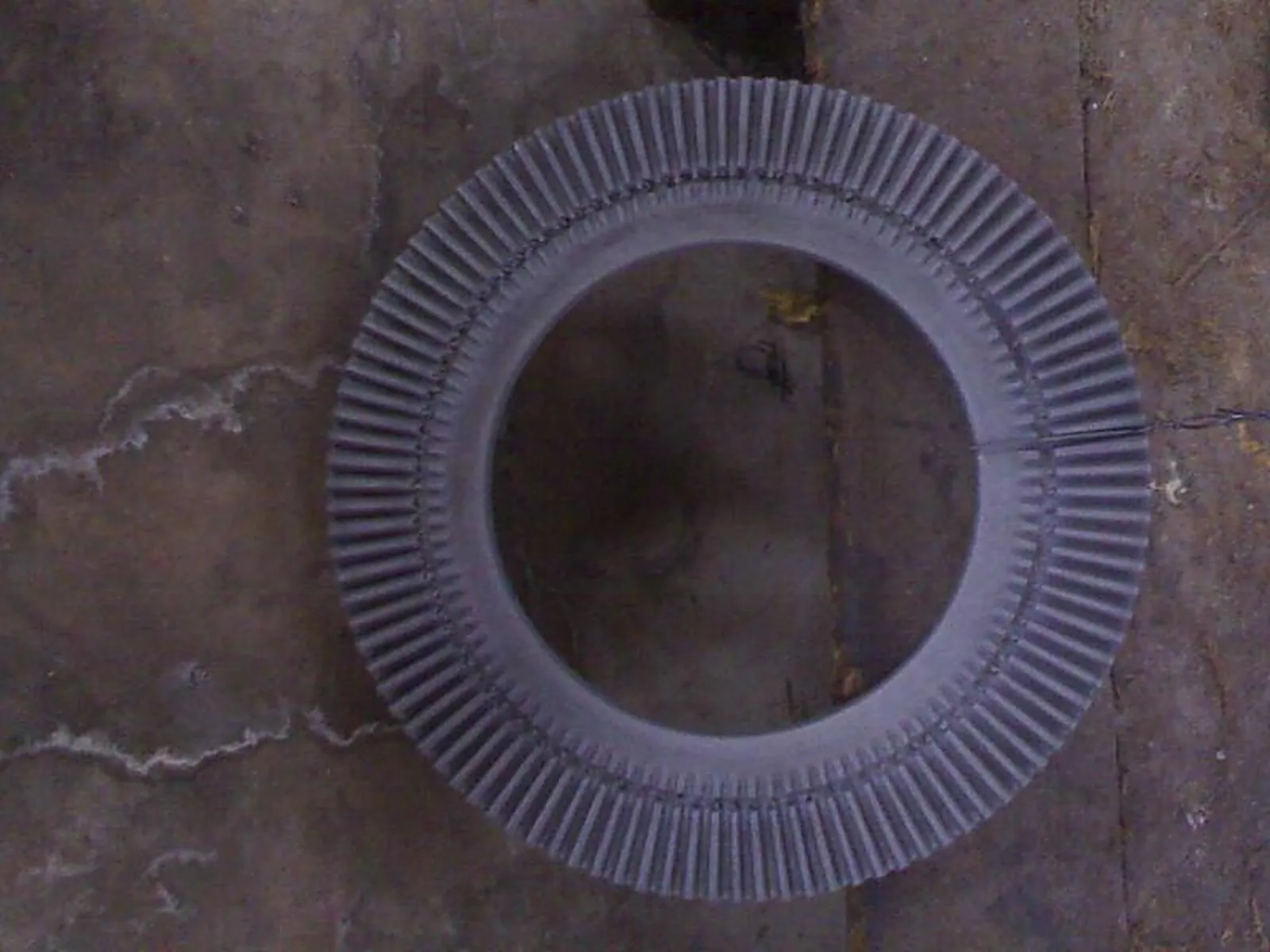
Tufftriding is a low-temperature nitriding treatment for ferrous metals. It improves wear resistance and fatigue strength with a short cycle time and almost no distortion. Case depth depends on treatment time and material.
The QPQ (Quench-Polish-Quench) variant adds an oxidising cycle at a controlled temperature and time. This gives a dense black surface with much better corrosion resistance, in line with DIN standards.
Benefits
- Short treatment time means faster delivery
- Parts resist galling and seizing, which helps cutting tools under sliding wear
- Works on plain carbon steels too
- QPQ improves corrosion resistance for exposed parts
Typical parts
Gas Nitriding
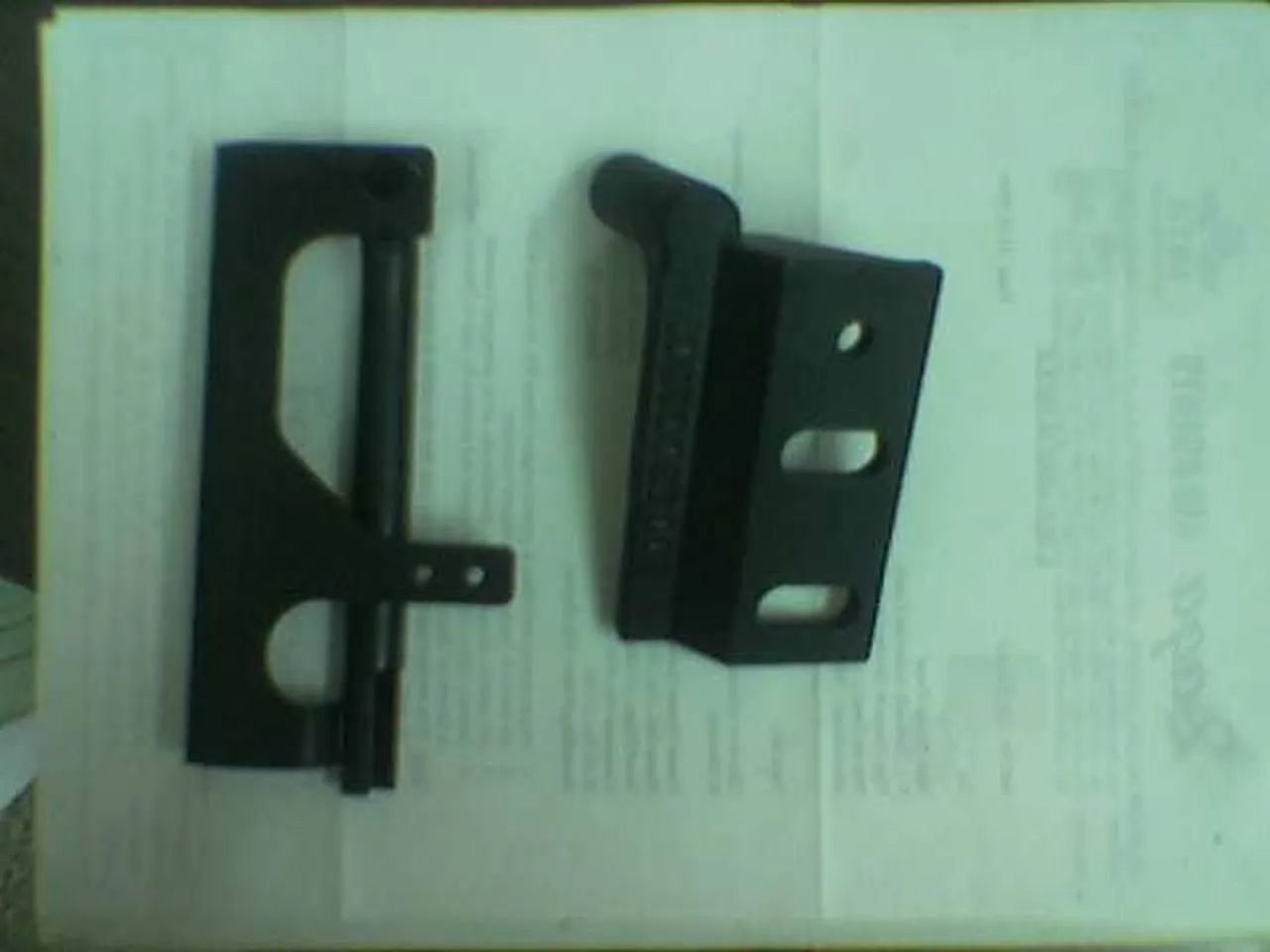
Gas nitriding diffuses nitrogen into the steel surface from a controlled ammonia atmosphere. Because it runs below the tempering temperature, the core properties stay intact while the surface becomes very hard and wear resistant.
It suits nitriding-grade and alloy steels that need a deeper case, and large batches where cost per part matters.
Benefits
- High surface hardness and wear resistance
- Better fatigue strength
- Low distortion compared with carburising
Typical parts
Induction Hardening
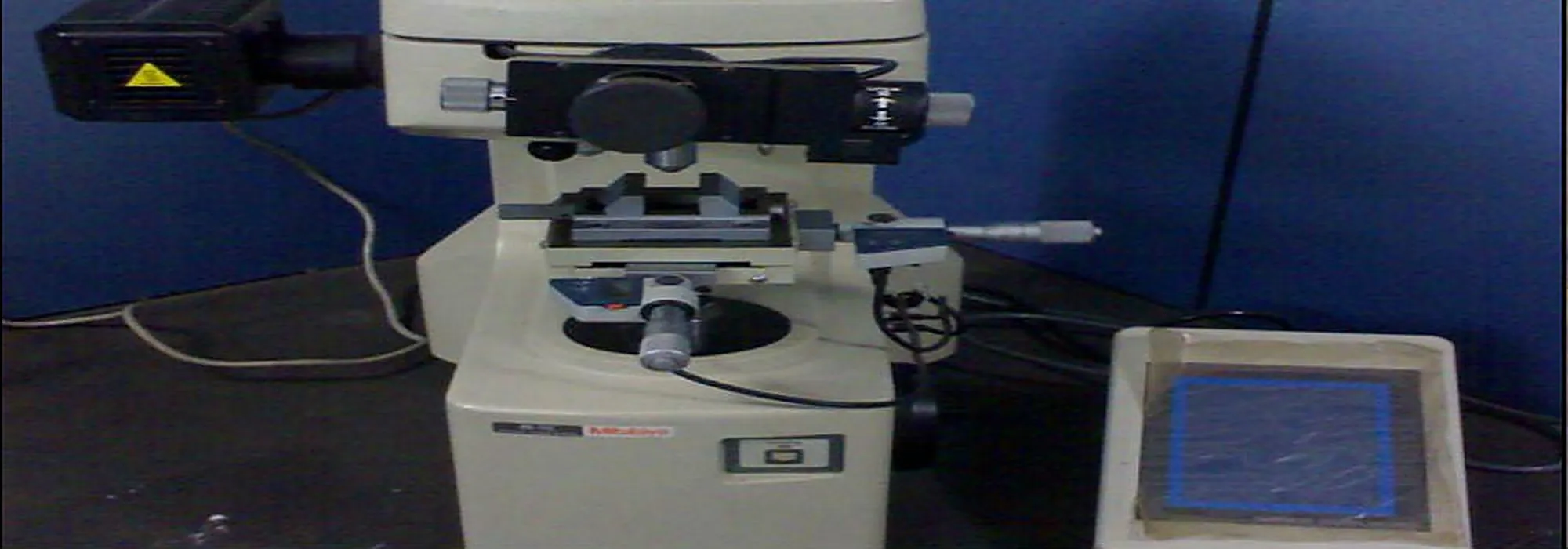
Induction hardening heats only the surface layer of a part with high-frequency current and then hardens it with a spray quench. It works best on round parts. The core stays tough, and the process is fast and repeatable.
Benefits
- Less distortion than through-hardening
- Hardens only the required zone, so no masking is needed
- Short cycle times suit production volumes
Typical parts
We'll help you choose
Tell us the material, part function and required hardness. We'll recommend the most cost-effective treatment.